
ASCP
Overview
The ASCP (American Society for Clinical Pathology) Board of Certification (BOC) exams are standardized, computer-adaptive, multiple-choice tests assessing medical laboratory professionals, typically with ~100 questions in ~2.5 hours, using a Computer Adaptive Testing (CAT) system that adjusts difficulty based on performance, aiming for a score of 400+ (on a 0-999 scale) to pass in most exams. These secure, proctored exams cover specific lab disciplines (like MLS, Molecular Biology, Hematology) and test practical competency, with immediate preliminary results.

ASCP MLS
The ASCP MLS (Medical Laboratory Scientist) certification, granted by the American Society of Clinical Pathology, validates expertise in performing complex lab tests for disease diagnosis across areas like blood banking, chemistry, hematology, and microbiology, requiring critical thinking and problem-solving for patient care. It involves a computer-adaptive, multiple-choice exam covering scientific principles and lab operations, typically following a bachelor's degree and accredited program. The certification is a globally recognized standard for advanced lab professionals, requiring renewal every three years.

ASCP MLT
The ASCP MLT (Medical Laboratory Technician) certification validates technicians' skills in performing routine lab tests (chemistry, hematology, microbiology, blood banking, etc.) on biological specimens, providing crucial info for diagnosis and treatment, and is a nationally recognized benchmark for competence, requiring eligibility, an exam, and ongoing maintenance. It opens doors to better pay, career advancement, and diverse roles in hospitals, research, and diagnostics, proving expertise in lab procedures and problem-solving.
SBB (ASCP)
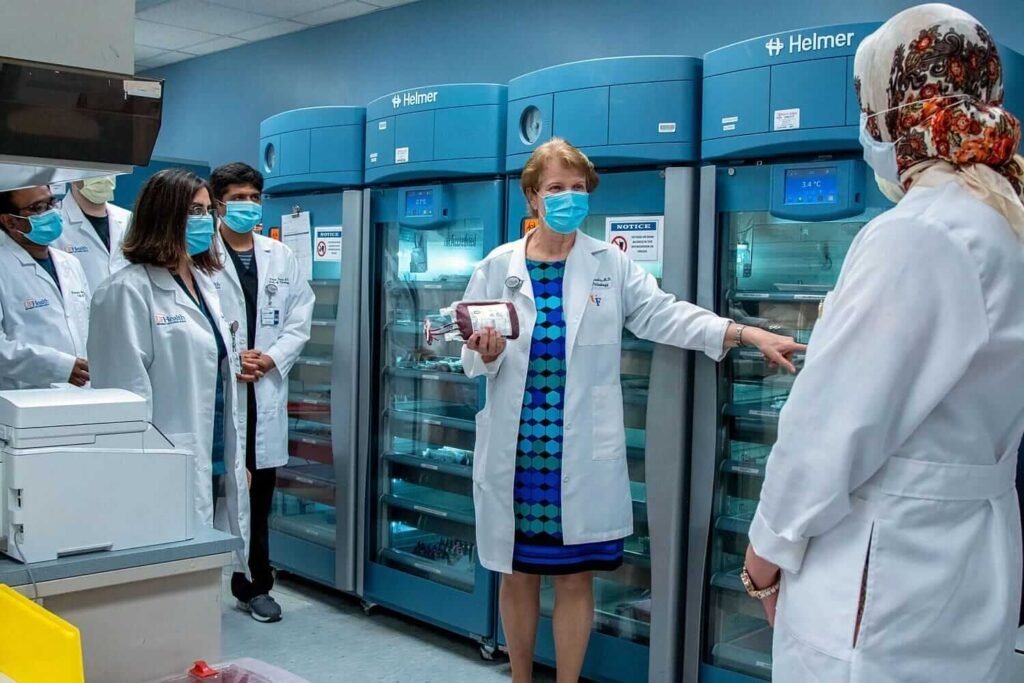
The SBB (ASCP) exam is a 100-question, 2.5-hour, computer-adaptive test (CAT) for specialists in blood banking, covering blood products, transfusion practices, blood groups, immunology, serologic/molecular testing, and lab operations, requiring a score above the passing standard (around 400) out of a 0-999 range, with unofficial results at the center and official ones online within days, awarded by the ASCP Board of Certification (BOC) upon meeting eligibility and passing.

ASCP Specialist in Chemistry (SC)
The ASCP Specialist in Chemistry (SC) exam is a 100-question, 2.5-hour, computer-adaptive (CAT) multiple-choice test covering advanced laboratory chemistry principles, procedures, and regulations, focusing on analyzing body fluids to diagnose diseases, with questions adjusting in difficulty based on your answers for accurate competency assessment, delivered at Pearson VUE centers.

ASCP SM (Specialist in Microbiology)
The ASCP SM (Specialist in Microbiology) exam is a rigorous, computer-adaptive test assessing advanced knowledge in bacteriology, mycology, parasitology, mycobacteriology, and virology for lab professionals, featuring 100 multiple-choice questions in 2.5 hours, covering theoretical concepts and practical lab procedures like identification, susceptibility testing, and quality control, aiming to certify expertise beyond basic technologist levels. Candidates must meet specific education/experience criteria and demonstrate mastery in specimen processing, organism ID, and lab operations to earn this leadership-focused credential.

The ASCP Specialist in Molecular Biology (SMB)
The ASCP Specialist in Molecular Biology (SMB) exam is a challenging, 100-question, computer-adaptive, multiple-choice test (2.5 hours) assessing advanced molecular diagnostics, covering areas like molecular science, techniques (amplification, sequencing), lab operations (QC, safety, regs), and applications (oncology, infectious disease, pharmacogenomics). It's designed for experienced professionals seeking leadership roles, focusing on high-complexity testing, test development, and troubleshooting, unlike the entry-level MB exam. Candidates get preliminary results at Pearson VUE centers and must score at least 400/999 to pass.
PBT (ASCP)
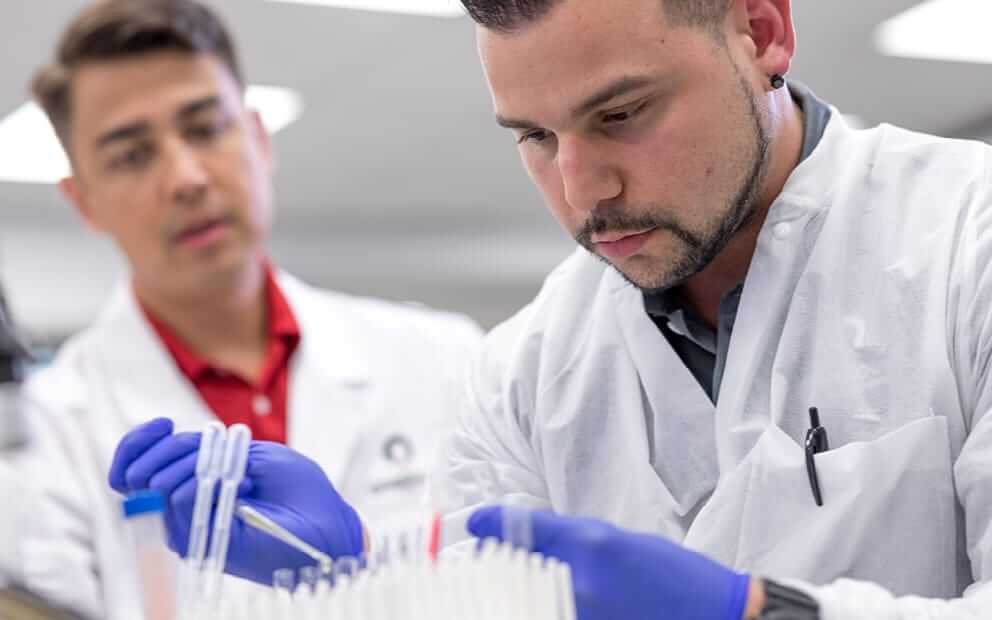
The PBT (ASCP) exam is a 2-hour, 80-question, computer-adaptive multiple-choice test covering phlebotomy fundamentals like safety, infection control, patient ID, venipuncture, specimen handling, and lab operations, using Computer Adaptive Testing (CAT) that adjusts difficulty to your skill level, aiming to score above the 400-point pass mark by testing knowledge across key domains.
The ASCP Diplomate in Laboratory Management (DLM)
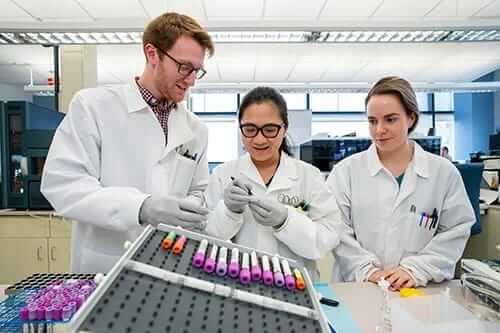
The ASCP Diplomate in Laboratory Management (DLM) exam is a high-level, computer-adaptive (CAT) certification test focusing on directing and managing clinical labs, covering finances, operations, personnel, and compliance, requiring extensive preparation in management principles, with around 100 multiple-choice questions in 2.5 hours, assessing competency through difficulty adjustment.
Passing Score
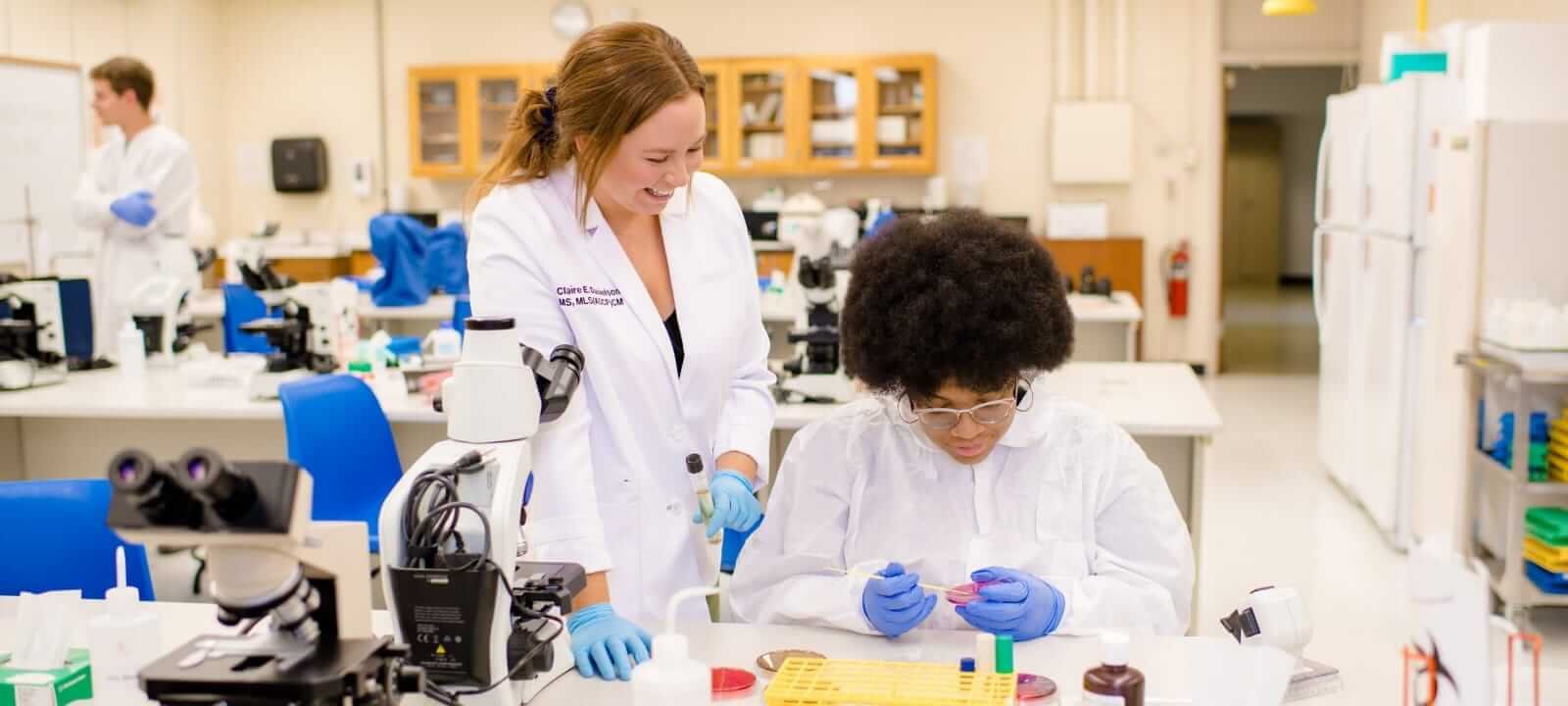
The ASCP passing score is a minimum of 400 points on a scaled score from 100 to 999, not a specific percentage or number of questions, as the Computer Adaptive Testing (CAT) system adjusts question difficulty, with harder questions yielding more points. You receive an unofficial pass/fail at the center, with official detailed reports mailed later, showing subject breakdowns for failed exams to guide retakes.
Key Aspects of the Exam
Exam Format
The ASCP exam format is a computer-adaptive test (CAT) with about 100 multiple-choice questions, lasting roughly 2.5 hours, featuring one correct answer per question and adjusting difficulty based on your performance; you can’t skip questions, but you can review them after completion, with content covering theory and procedures in your specific lab discipline (like MLS, MLT, or PA).
Where does the ASCP get their content?
The American Society for Clinical Pathology Board of Certification (ASCP BOC) exam content is developed by ASCP BOC examination committees and work groups. These groups consist of subject matter experts (SMEs) who review and validate questions to ensure they are relevant to current laboratory practices.
The exam content is derived from several key sources and processes:
- Practice Analysis: The content is based on “practice analyses,” which define the essential knowledge, skills, and tasks needed for safe and effective practice in the laboratory.
- Reading Lists & Textbooks: Exam questions are developed based on, and references are taken from, textbooks, journals, and websites listed in the official ASCP BOC reading lists. These include resources like the Quick Compendium of Medical Laboratory Sciences and professional journals.
- Clinical Guidelines & Regulatory Sources: Questions are formulated based on current guidelines from organizations such as the AABB, FDA, and CLIA.
- Computer Adaptive Testing (CAT) Bank: The exam uses a vast bank of questions calibrated for difficulty and topic area.
NOTE: The content is organized into specific areas (e.g., Blood Banking, Chemistry, Hematology, Microbiology) with defined percentages for each, ensuring the exam covers all necessary subject matter.
Rescheduling or Canceling Your Exam
All American Society for Clinical Pathology Board of Certification (ASCP BOC) examination applications are evaluated to verify that applicants meet the eligibility requirements. Once an application has been made “Eligible,” applicants receive an Admission Notification that provides instructions on scheduling their certification examination or taking their qualification examination. All scheduling, cancelling, and rescheduling of certification examination appointments is between the examinee and Pearson VUE.
ASCP Exam Eligibility
ASCP exam eligibility requires meeting specific education, training, and/or experience criteria, with pathways varying by credential (e.g., MLS, MLT), but generally involving a degree (Associate’s for MLT, Bachelor’s for MLS) in a science field plus completion of an accredited program or relevant work experience, all verified through an official ASCP application. Common requirements include degrees from NAACLS-approved programs or equivalent education/experience, with different routes available, even for international candidates.
General Requirements:
- Education: A degree (Associate’s or Bachelor’s) in Medical Laboratory Science, Biological Science, Chemistry, or related field.
- Accredited Program: Completion of a training program accredited by NAACLS (National Accrediting Agency for Clinical Laboratory Sciences) or an equivalent body.
- Training Documentation: Specific coursework and clinical training must cover core areas like blood banking, chemistry, hematology, and microbiology.
- Experience (for some routes): Relevant work experience in a clinical laboratory setting may substitute for or supplement formal education.
Examples by Credential:
- Medical Laboratory Scientist (MLS): Typically a Bachelor’s degree plus completion of a NAACLS-accredited MLS program or five years of related experience.
- Medical Laboratory Technician (MLT): Often requires an Associate’s degree and completion of an approved training program.
- Phlebotomy Technician (PBT): May need a high school diploma and post-secondary training or relevant work.
How to Verify & Apply:
- Check Your Route: Visit the ASCP website to find the specific routes for your desired credential.
- Apply Online: Submit an application and fee through the ASCP Board of Certification (BOC) portal.
- Submit Documentation: Upload required documents (transcripts, training forms) as PDF files, ensuring they meet ASCP guidelines.
- Verification: Once your documentation is approved, you’ll receive an admission notification to schedule your exam with Pearson VUE.
How we assist candidates in clearing this exam.
Exact examination Q&A bank
Have you already booked your exam date and still not find yourself ready for the exam? Contact us for specific guides containing just exact questions and answers to prepare and guarantee you with good passing scores
Previous Score upgrade
Have you already taken the exam and not satisfied with your scores? Contact us for guidance on how to upgrade your scores to your desired scores.
Direct certificate:
We get the account and certificate of doctors who are too busy to prepare and sit for the exams but urgently need the certificate approved directly without sitting for the exams.